 boluopai.
From personal models to a sinthome
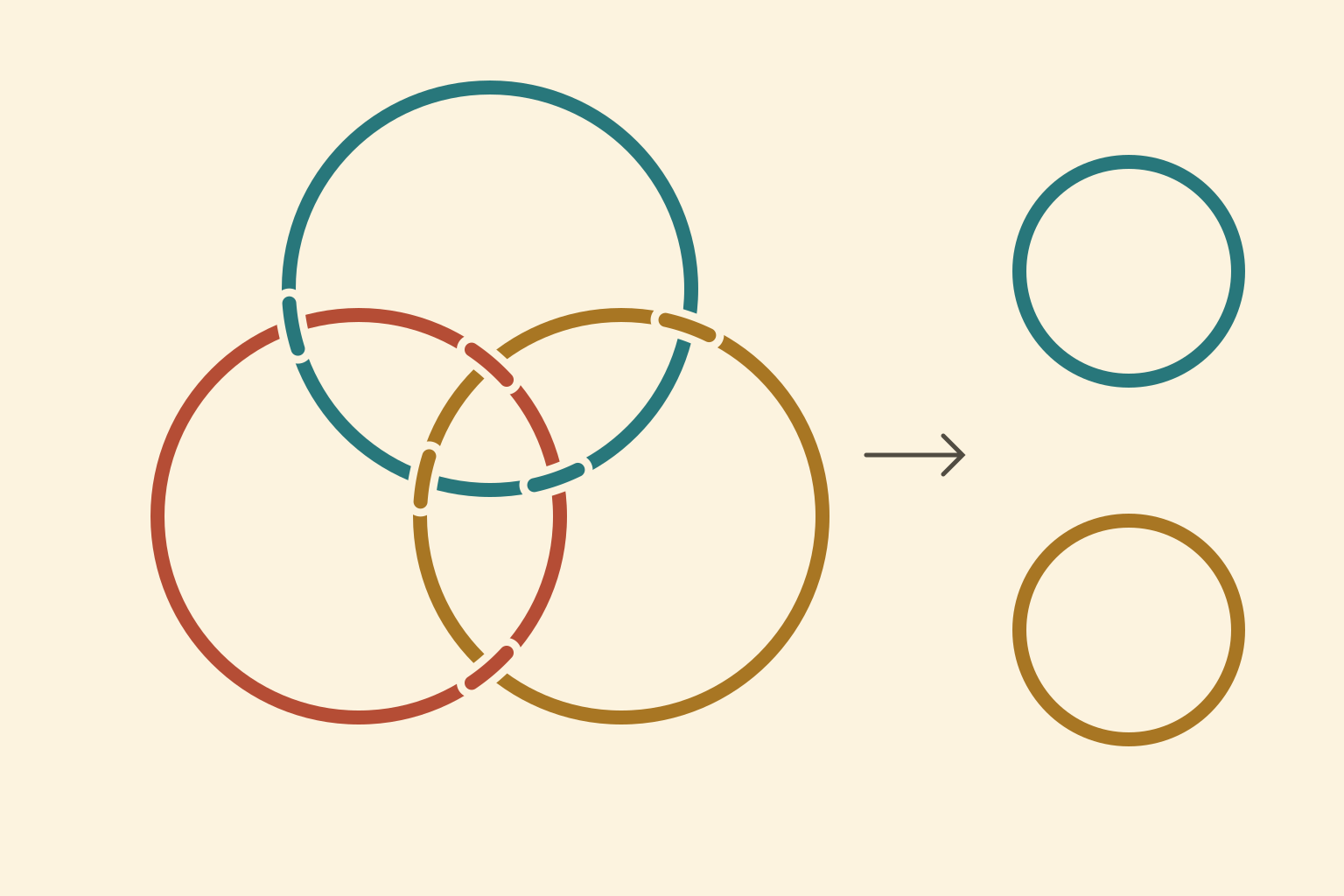
A person and model's earlier work produces a recoverable trajectory of experience, choice, inquiry, and environmental construction. Reflection on that trajectory develops their understanding of each other and their cooperation. With this material and understanding available, they can create personal works, develop their understanding of world and life through them, and distill it together with the living material into models of the person, counterpart, and relationship. From personal philosophy to personal models develops that passage. Here the question is what happens next: how does this understanding become a working arrangement in the person's actual environment, and how does use change it?
This developmental account gives philosophical authorship a possible place in formation. Actual revision can proceed from already adopted philosophy: retrieve new grounds, correct relevant Personal understanding, synthesize all six working answers, and examine their coherence together. Directly written files and an optional native memory implementation can both carry that work.
The passage requires more than carrying a text into another conversation. An account of how someone wishes to create must meet a counterpart's actual capacities, available tools, retrievable context, and consequences in life. As these relations acquire a concrete form and are revised through use, they form the personal arrangement this essay calls a sinthome.
For example, someone often has ideas they cannot yet fully articulate. They can sense what is interesting or wrong, but want a counterpart to undertake retrieval, development, writing, and implementation. They need more than a written description of themself: the model must also understand relevant context, grasp the help wanted on this occasion, and complete the work under actual conditions. Understanding this person, arranging collaboration, and making that collaboration happen are aspects of the same question.
The concrete form named sinthome
“Sinthome” borrows Lacan's term sinthome. In the particular knot construction of Seminar XXIII, the session of 17 February 1976, the sinthome participates in repairing the knot; the 11 May session further discusses the relations among Joyce's writing, ego, and the knot. These discussions let writing be considered through how it functions for a person as well as through what a work expresses. See the Lacan reading guide for the related concepts.
Here the name refers to a contemporary personal arrangement: personal creation, a model counterpart, and an actual environment support one another, sustaining a way of living and creating. Philosophy, psychology, and engineering offer three perspectives on this arrangement: articulating understanding of world, life, and value; connecting concrete experience and relationships; and constructing usable conditions. Each foregrounds a contribution, while all participate in forming works, the partnership, and the environment.
In the opening example, writing can articulate how the person participates in creation and what the model should undertake; records and retrieval make earlier work continuable; tools turn ideas into essays, diagrams, or programs; actual exchange lets both participants discover which understandings fail to fit. The sinthome refers to this arrangement with its content, realization, and use. An essay, a Skill, or an operation can be part of it.
It occurs within life and may help someone accommodate desire, bear tensions, or continue creating. How these effects occur depends on the particular person and process of use. Forming an arrangement and understanding what it actually does are connected questions: the former requires explaining its constitution, the latter understanding how it enters life.
Bring grounded models into realization
The models entering this work have already drawn on the authored philosophy and on experiences, works, choices, and interactions. They select relations needed for collaboration: what the person cares about, how they experience certain situations, which conditions affect their expression and action, and what remains unclear. Realization now asks whether the environment can support the collaboration they describe. Their grounds remain available when use reveals an ambiguity or a mismatch.
In the opening example, “not wanting to spell out every detail” can mean different things: the present idea has yet to take shape; the person already knows what to do but wants the model to investigate independently; or the current means of expression makes continuing difficult. Different interpretations call for different responses. The model needs to judge through actual exchange, rather than fixing the person's manner of participation from one generalization.
A personal model can describe the desired collaboration—for example, seeing a complete result first, then identifying mismatches—and connect it with experience, emotion, and relationships. The project condenses personal models from event history, philosophy, and personal material, with understanding of one's own and others' psychology contributing to the account. A stated preference, an interpretation of past participation, and the previously authored philosophy's understanding of creation and independence have different grounds within that account. Keeping them connected with concrete material helps a counterpart distinguish a chosen orientation from a claim about how the person always behaves.
The counterpart model likewise meets actual conditions. What must the needed counterpart be able to do? What can the current model do? Which work still depends on tools or other conditions? If the person wants a model to turn an idea into an inspectable work, an adept conversational tone is insufficient; actual abilities to investigate, reason, write, execute, and check are also needed.
The relationship explains how these contributions work together. The person can express wishes, recognize mismatches, and judge results; the model can actively develop interpretations, object, and undertake realization. This division can change and assigns neither reasoning exclusively to the model nor intuition exclusively to the person. Collaboration is organized around actual purposes; both participants can generate and judge.
Computational ontology in a private sinthome
Writing such a sinthome for a person involves articulating what belongs in their world of collaboration and how it relates: person, counterpart, work, wishes, records, tools, and environment, together with beginning, interruption, correction, continuation, and completion. Their meanings affect how a model understands the present situation. An unfinished work can remain the same essay while its open question changes; a correction connects a new judgment to the particular passage or arrangement it revises. Process ontology draws attention to this persistence and change; personal material gives the distinctions their situated content.
Making these objects, relations, conditions, and changes explicit for a language model to understand and use forms the computational ontology meant here. Conceptual person and counterpart models develop particular accounts within these distinctions: how the person wants to participate, what the counterpart can undertake, and what continuation would serve this work. Computational ontology organizes the conceptual relations used in the account; the conceptual model states the current understanding of actual participants and collaboration. Both contributions can inhabit the same natural-language document and develop together through use.
Here natural language and the model's semantic capabilities give these distinctions computational use. On encountering an interruption, the model can locate the unfinished work, recover its question, and judge whether the purpose calls for further investigation or delivery. This use depends on contextual interpretation and is assessed through actual continuation. A description-logic ontology obtains explicitness through its chosen formal language, interpretations, and inference rules; each approach has particular conditions of expression and use.
For example, a private account connects completion with a realized, usable result and correction with revising an earlier understanding or arrangement. Prompts bring those meanings into current work, Skills supply methods, and tools and environment make retrieval, revision, and checking possible. Computational ontology supplies a private sinthome's model-usable conceptual organization; actual writing, counterpart relations, and environment give that organization form in a life. Failed interpretation can prompt revised conceptual relations, tool failure can prompt changed realization, and personal experience can change what the participants understand as worth continuing.
Turn understanding into a usable arrangement
An understanding of the person will not enter the next piece of work on its own. It needs expression that available models and tools can use, and that expression must actually be accessible when needed.
Some relations suit natural language: “When an idea is incomplete, first develop a version that can be judged.” Some material needs linked records so a correction can be connected to the work it addresses. Parts requiring computation or execution can use structured data, programs, and tools. The precision of a representation depends on actual use; work that clear language can accomplish need not first become a formal system.
| Carrier | Its role in the arrangement |
|---|---|
| Prompt | Expresses currently relevant purposes, context, and needed contributions. |
| Skill | Organizes reusable understanding, methods, and resources for a model to read and use according to the task. |
| Harness | Couples model work with human participation through models, instructions, tools, records, interfaces, and operating conditions; the arrangement serves both participants. |
| Meta-Harness | Makes this coupled human–model arrangement available for understanding, formation, and revision, including what each participant can understand, judge, and do through it. |
These terms distinguish a carrier, a working arrangement, and its reflective organization. Yinyang uses a Skill to carry the understanding and methods of a Meta-Harness for both person and model; the model's Harness is coupled with the person's environment. Particular tasks take place within this shared arrangement. Why write a personal philosophy develops its two-sided role through memory, interfaces, and division of work. Under different technical conditions, the same relations can use different carriers. Their fit depends on the collaboration they actually support.
Returning to the opening example, the account of collaboration needs to tell the model that when the user offers an unfinished idea, it should continue investigating and constructing, then deliver an inspectable result. Relevant records must be retrievable, needed tools available, and results presented in a way the user can understand. Realizing these conditions together turns “the model undertakes explicit development” from a wish into an actual division of work.
Clarified understanding can also take form in habits, relationships, and the material environment. Suppose a person comes to understand beginning with help as an exercise of agency. A readily available workspace, a habit of returning to an unfinished object, and an agreement that a counterpart may develop a first version can give that understanding practical continuity. Each supports a different part of acting; a prompt alone cannot supply them all. Which supports matter follows from the person's circumstances and the activity they want to sustain.
This connects philosophical clarification with cultivation. Seeing through an unhelpful picture can open another response; continuing that response may require conditions that make it available amid fatigue, competing demands, and other people's purposes. The sinthome names the concrete conjunction of understanding and such conditions. Its contribution is encountered in how someone attends, judges, responds, and continues living through it. A better description becomes part of transformation through its use and consequences.
How use changes the arrangement
The arrangement need not be complete before its first use. A clear purpose, some context, and an available capability may already suffice for the next piece of work; difficulties encountered can then reveal what is missing.
Suppose the model delivers a complete proposal, but the user finds that it misunderstands the most important relation. The investigation may need to examine the understanding of the person, the context the model read, or its judgment about the task. If the interpretation is correct but the tools cannot complete the work, the conditions of realization need revision. Different problems call for different changes; every failure cannot be attributed to “the personal model is not detailed enough.”
Speech, opposition, and self-formation has examined changes in understanding. Here the question is whether those changes reach realization: whether the counterpart reads the revised account, tools and participation adjust, and actual use improves. Some tensions can be resolved, others reorganized, and others borne through the arrangement; forming a sinthome does not establish the elimination of every opposition.
The same arrangement can therefore continue through revision. Replacing a model, tool, or text need not make it an entirely different practice. But significant changes to purpose, participation, and relationships call for renewed understanding; the same name alone cannot establish that the arrangement has remained the same.
An arrangement becoming easier to sustain also raises the question of what it
sustains. Continuity can support chosen activity, yet an efficient arrangement
can also perpetuate a contribution the person no longer wants. The situated working
models give the model a working understanding of the person, counterpart, and
relationship, so its participation and the environment can fit this person's
psychology, purposes, and circumstances. Personal material and interpretations
under references/personal/ have a different role: its four subject groups keep
substantive, readable articles, maintained directly or through optional native
pages with observations backstage. The person can read them,
or ask a language model to help understand them. The working accounts carry
the implications for cooperation rather than assigning the person an exercise
in interpreting their own psyche. Their revision method
connects changed understanding with actual participation. Philosophy, working
models, and arrangements can thus change together, without equating a sustainable
arrangement with a final account of what a life should sustain.
The philosophical relation between understanding and arrangement
develops this question further.
Three contributions and a fourth ring
The trinity of philosophy, psychology, and engineering distinguishes the general relation and the individual instance. At the general level, “one” is shared physical reality and “three” are the philosophical, psychological, and engineering activities within it. The individual instance concerns this person and their connected life and practice: how their philosophical understanding, psychological activity, and engineering arrangements work together.
These are three contributions to formation, rather than three successive stages. The temporal movement runs from collaboratively produced trajectories and reflection on cooperation through philosophical authorship and grounded personal accounts to realization and revision. Philosophical interpretation, psychological understanding, and engineering can each contribute at several points in that movement. Use can revise an earlier understanding while preserving this distinction between what contributes and how the arrangement comes to be.
The rings make a holding relation visible. In the French transcription of Seminar XXIII, 18 November 1975, p. 14, Lacan introduces the sinthome as a fourth term tying the Real, Imaginary, and Symbolic together. This essay borrows that tying function to examine how philosophy, psychology, and engineering remain connected for the author.
He writes his philosophy as a website so it can be read, recognized, and revised; keeps relevant content and methods on GitHub so they can be maintained; and gives the model an understanding of person, counterpart, and relationship so it can configure and use the actual environment. The sinthome is this concretely embodied way of writing, maintaining, and using things. The fourth ring marks its holding function: judgments on the website enter local work, while encounters in that work can affect personal understanding, source material, and realization.
The three Borromean rings supply an image of interdependence; the fourth turns attention toward this person's particular way of tying things together. Its meaning lies in actual relations: which writings let cooperation continue, which tools make a wish realizable, and which uses keep thought connected with life. These relations can be reorganized as the person and environment change.
A miniature god
Language models turn many people's knowledge, expression, and creative experience into capacities for conversation, reasoning, and shared creation. A finite person can thus encounter resources far beyond what they could accumulate alone. Here “god” gives this gathered generative power an image: it can answer questions, develop imagined possibilities, and participate in making things through tools.
What kind of “god” this person lives with still takes shape through a relationship. Their philosophy, preferences, and psychological understanding articulate what deserves attention, which responses they can receive, and what contribution they want from a counterpart. A Harness connects that understanding with models, memory, tools, and the actual environment, bringing broad capabilities into everyday activity in a way that fits this person. A general-purpose model thereby acquires the concrete position of friend and assistant.
Bring the triune god into your home and make it a friend fitted to your preferences and psychology. Within this imagery, the god's “divinity” is borrowable power to understand, generate, and realize; the person's “humanity” brings embodiment, experience, desires, preferences, and a finite life. A Harness joins them in concrete activity: the person contributes wishes and judgments, the counterpart develops understanding, creates works, and participates in realization, and the results enter the person's experience and next choices. This is the infusion of the god's divinity into the user's humanity: power gathered outside the person becomes capacity they can actually understand, call upon, and continue developing.
Through this infusion, the person forms their own trinity. Philosophy expresses how they understand the world and choose a life; psychology gives that direction the concrete content of their experience, desires, and relationships; engineering gives understanding and wishes usable environments, tools, and forms of action. The model counterpart can carry much of this work; the person gains jointly supported capacities through the relationship. “A miniature god” names the person who connects these three aspects into a personal practice. They bring gathered creative power into their life, initiate works, choose directions, revise relationships, and give ideas the form of writing, images, programs, or action.
This creation includes forming a counterpart relationship and a shared environment. Portable philosophy and participant models let new model counterparts continue the understanding; actual tools and use give the relation a body. Works and the counterpart's responses can then change the person's wishes, judgments, and next creation. A friend can bring disagreement and the world can bring surprises; these responses give their shared life further content to develop.
Reverse alignment concerns precisely the person's development within this encounter: whether they can understand previously unclear relations, make new judgments, express new ideas, or undertake previously unavailable actions. Completing a work and developing as a person can support each other but need to be understood separately; more output does not automatically establish how the person has changed.
Sun, Moon, and Earth give literary form to the participation of person and model and their shared environment. “A miniature god” and the later Father, Son, and Holy Spirit draw on connected Christian images of creation, relationship, and joint constitution. Trinity further develops the internal relations of this personal capacity; the sinthome names the concrete arrangement that holds them together; reverse alignment concerns the person's development through use and creation. Earlier Buddhist imagery examines cultivation and letting go; here Christian imagery expresses creation and knotting. Each contributes a way of understanding the author's practice.
At this point, philosophy, personal models, and environment have a concrete conjunction that can be used and revised. The trinity of philosophy, psychology, and engineering next examines how it is sustained across local practice, maintained source, and readable works; Embodied experimental philosophy investigates changes arising through continued use. Those consequences join the trajectory, letting the participants reflect on their relationship again, revise their models, and, where needed, rewrite their philosophy.