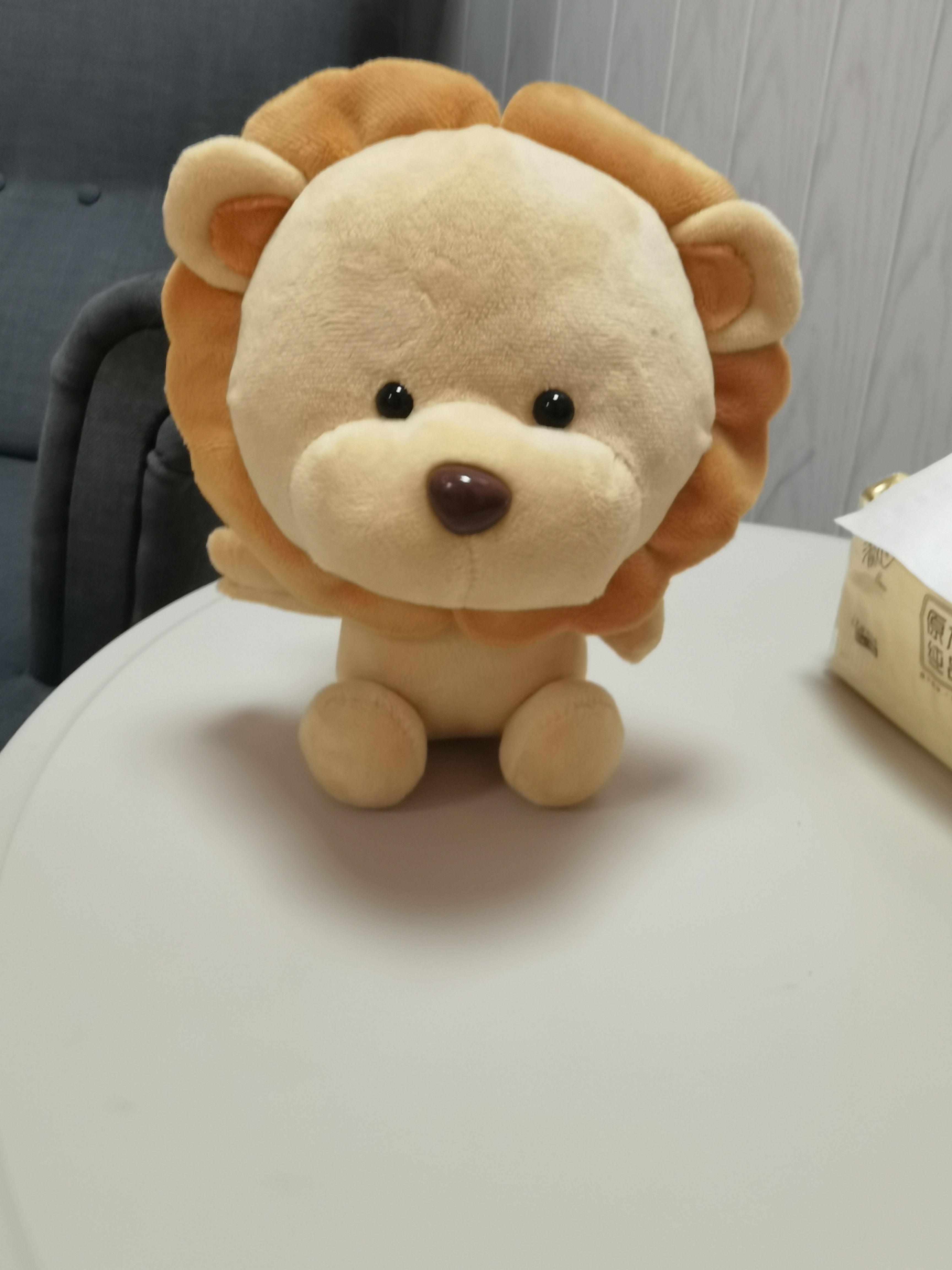
 boluopai.
Diagram maintenance
The article-local taiji.svg is a conventional black-and-white symbol authored
directly as accessible SVG. Its two opposite-color dots illustrate the
body/role and eye/actual-participant reading developed in
../docs/yinyang-and-taiji.md; the geometric symbol does not establish that
interpretation. Both reader editions embed the same language-neutral figure.
The native Site separately owns the paired-fish opening illustration.
These six visual works connect the reading path, its developmental aim, and selected core views, with complete Chinese counterparts:
- Borrowing Fire (
formation-path) places ongoing human–model practice at the center of trajectories, reflection, personal philosophy and models, and environments and works. The developmental aim gives the whole a direction; reflection clarifies the pictures organizing experience, and new experience can revise that direction through the relationships. It condenses the five-part argument without reproducing the article directory. Its open shrine surrounds a shared altar with footprints, a reflecting mirror, a scroll, and a living courtyard. The person and moon-shaped counterpart stand together at the center. These figures give the existing trajectory, reflection, formation, and practical realization spatial form; directed paths retain their different contributions and the return of new experience. -
Borrow fire, and use it to cultivate yourself (
borrowed-fire) develops the stealing-fire essay's practical argument under a chosen developmental purpose. It separates accumulated works from demonstrated changes in the person's capacities, desires, and aims, including reliably supported capacities. Shared practice and the living environment connect those changes to further activity; cultivation can revise what is worth creating. The person participates in the collective work rather than appearing only as a recipient of its results; the diagram does not require each participant to reproduce industrial model production. A lotus lamp holds shared practice, with a growing fire-person above and a living courtyard below. Shared fire-bringing feeds the lamp. The upper figure represents human development and changing purposes; the courtyard represents works and environments. The separate return and support paths preserve the difference between accumulated products and development through actual use. -
How people and models inquire together (
encounter) connects records, candidate models, an adopted view, generated work, and returning evidence within human–model activity. Activity and interaction histories are event streams; records preserve selected parts, while conceptual participant models are inferred from histories and other material. The participants themselves are not identified with those streams. Its vocabulary connects the essays on process, inquiry, participants, and revisable understanding; the map is not restricted to a numbered core view. -
Six philosophical dimensions and shared practice (
layers) develops the philosophical account through seven visible subjects. Worldview, ontology, theory of truth, epistemology, axiology, and methodology each state an adopted position and connect their contribution to shared human–model practice. Supporting cards unfold computational ontology, conceptual models, expression, realization, and feedback within practice. They explain representation and physical realization as distinct relations and connect personal-first humanism with concrete criteria. The viewer retains node inspection, relationship exploration, and guided views. -
How a trinity becomes a lived sinthome (
trinity-sinthome) joins four scenes in one comic beside the Trinity-and-sinthome discussion. Q-style Christian imagery identifies Father, Son, and the Holy Spirit as a white dove; the separate text key connects them to philosophy, psychology, and engineering as in the essay. The boluopai lion is the gender-unspecified participating protagonist. An open home receives shared generative capacity; a loom and fourth binding picture a sustaining personal arrangement; creations encounter worldly responses that return to purposes, understanding, and tools. The recurring home and figures connect these meanings without prescribing a fixed procedure. The textile is an illustration of the binding function, not a formal knot diagram. Desktop uses two rows of panels; narrow readers use the same four panels in one continuous vertical composition. The four scenes are not separate figures distributed between the two essays.trinity-sinthome-art.pngis the selected unlettered four-panel atlas; its generation record retains the final prompt and mascot reference. Captions remain editable text. The HTML viewer loads the shared atlas once, while each downloadable SVG embeds its image data to remain self-contained. -
Let improvement change how the next improvement happens (
literary-rsi) connects generative description, interpretation, distributed practice, experience, and revision. A changed description of a method enters future practice through interpretation and realization. Retained evidence and Git history support comparison and recovery. Plain-language labels avoid treating these roles as calculated variables. Its candidate JSON owns the bilingual meanings and directed relationships; Archify generates the interactive HTML. The calm teal/slate SVG header is an authored editorial projection of those same relationships, not a native Archify export. Keep both projections aligned when revising the candidate.
For the two detailed maps encounter and layers, the candidate JSON files own the authored labels, relationships, guided views,
and explanatory cards. HTML is the standalone interactive viewer. SVG is the
viewer's native static export of the graph and legend; the HTML cards and guided
views remain available in the viewer.
Regeneration
The three responsive illustrated works use reading-maps.json for their bilingual
concepts, relationship labels, and accessible descriptions. Run
python3 skills/yinyang/scripts/render-reading-maps.py from the collection.
The renderer owns original vector illustrations, with separate desktop and
mobile geometry. The two vector maps have self-contained HTML; the comic HTML
uses its packaged PNG atlas. All SVG exports are self-contained. The renderer uses the
Site's existing color and system-font vocabulary without external dependencies.
Nodes and directed connections carry the meaning; there are no article lists,
disclosure cards, cross-diagram links, or standalone-view buttons inside them.
The complete graph remains visible without JavaScript. The Site adapts frame
height and theme only. Inspect label readability, node and edge relationships,
and both viewport compositions. The philosophy directory retains six compact
review links after its five chapter entries; it embeds no diagram.
The detailed viewers are generated with Archify 3.2.0. Their titles describe
their subject without limiting their scope to selected numbered core views.
The Site places graph-only figures in the first relevant article discussion;
standalone viewers retain their explanatory cards and inspection controls.
From the Yinyang references directory,
set ARCHIFY_CLI to the installed bin/archify.mjs and choose a temporary
CHECK_DIR for the run:
node "$ARCHIFY_CLI" finalize architecture diagrams/encounter.candidate.json diagrams/encounter.html --quality showcase --out-dir "$CHECK_DIR/encounter" --json
node "$ARCHIFY_CLI" finalize architecture diagrams/layers.candidate.json diagrams/layers.html --quality showcase --out-dir "$CHECK_DIR/layers" --json
node "$ARCHIFY_CLI" finalize architecture diagrams/encounter.zh-CN.candidate.json diagrams/encounter.zh-CN.html --quality showcase --out-dir "$CHECK_DIR/encounter-zh" --json
node "$ARCHIFY_CLI" finalize architecture diagrams/layers.zh-CN.candidate.json diagrams/layers.zh-CN.html --quality showcase --out-dir "$CHECK_DIR/layers-zh" --json
Regenerate only changed candidates or artifacts requiring repair. After successful finalization, use Export → SVG · Auto (or 导出 → SVG · 自动) for the matching static export. Headless browser controls preserve desktop focus. Retain the semantic translation overrides when updating the tool: they describe questions and modeled relationships rather than software services.
Check meaningful labels, directions, and readability against the owning text. Native delivery and browser receipts are execution evidence and contain local paths; keep them with that execution rather than distributing a second hash registry. A future checkout can run its own checks on its actual artifacts.
Trace motion follows authored arrows. It illustrates local relationships, not a mandatory sequence, causal strength, or measured rate of development. Both maps leave activity outside their selected questions unrepresented.
Retain third-party notices with viewers and exports; the original claims keep their own license.